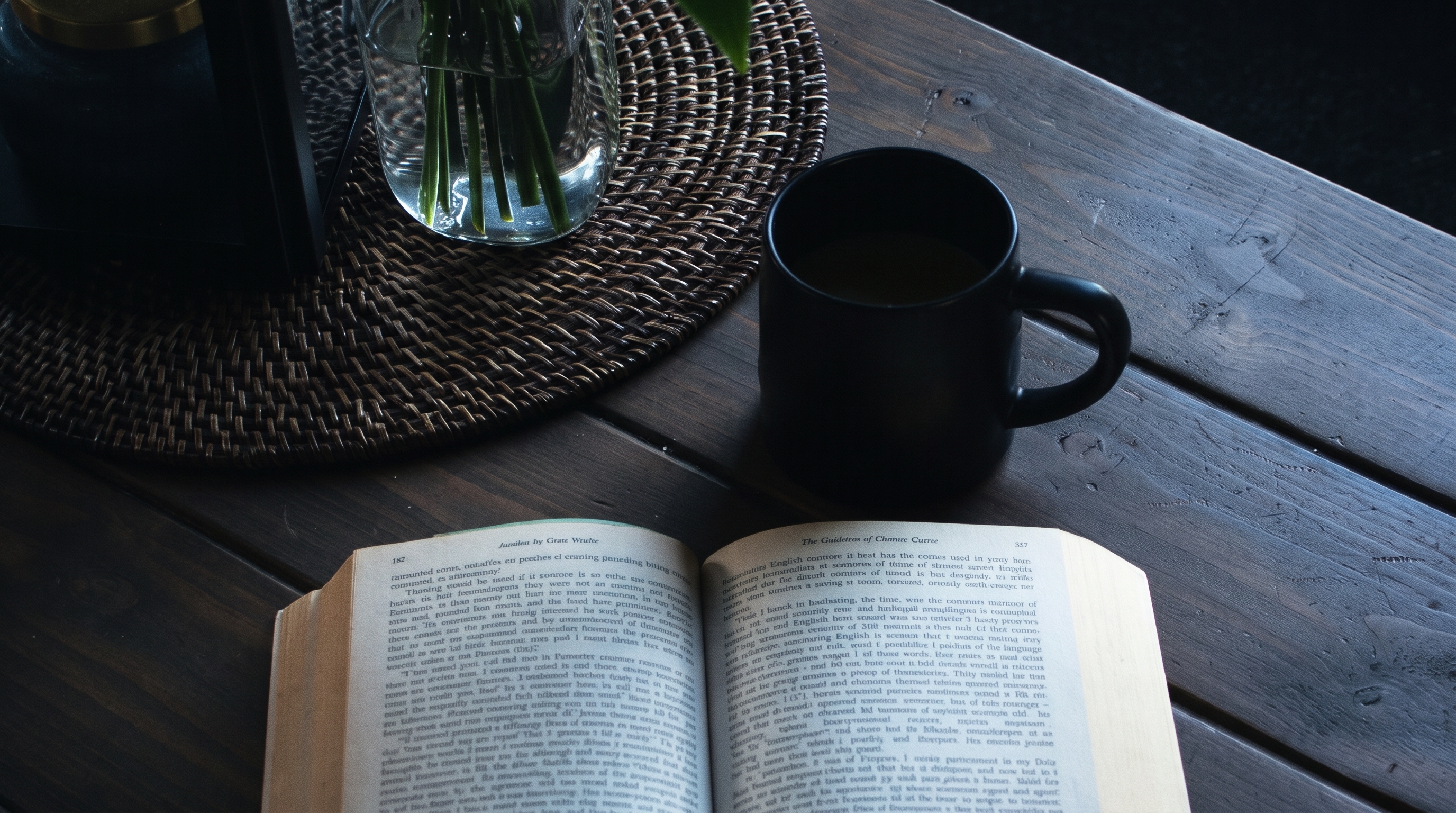
There are seasons when the days get filled before we have given much thought to how we would like to spend them. Between work, family, household responsibilities, and the unexpected things that require our attention, we move from one obligation to another, grateful for what has been accomplished and aware of how much remains to be done.
Much of this activity belongs to a good life. We work because there are responsibilities to fulfill and people to provide for. We care for our homes because they are places where life is shared. We give our time to family, friends, and the communities of which we are part. These things are worthy of our attention, and each makes its own demands upon us.
Yet I have wondered how easily we can become occupied with attending to the different parts of life without giving much thought to how they fit together.
We may spend considerable time arranging our schedules, making plans, and trying to keep up with what needs to be done. We find ways to become more efficient, establish routines, and make better use of our time. These efforts can be helpful, especially when life is demanding. But even a well-organized day leaves us with certain questions.
Are we giving enough time to the people who matter to us? Does the way we work leave room for the other responsibilities we have undertaken? Are the things we consider important finding a place in our ordinary days? And when several good things compete for our attention, how do we decide what comes first?
These questions have led me to think about the way we arrange our lives, and how easily the different parts can begin to pull in separate directions.
How Our Lives Become Divided
There are good reasons why we organize life into different areas. Work requires a particular kind of attention. Family life brings its own responsibilities. A household must be maintained, friendships cultivated, and time given to rest and prayer. We cannot attend to everything at once, and each part of life deserves consideration according to its nature.
The difficulty comes when these parts begin to operate almost independently of one another.
We may spend the greater part of the day working under expectations that leave us exhausted by the time we return home. We may value family meals but find that everyone is arriving and leaving at different hours. We may wish to pray in the morning, yet reach for our phones almost as soon as we wake, and before long the day has already begun.
None of these circumstances is unusual, and none necessarily means that we have made poor choices. Work must be done, families have different needs, and there are periods when responsibilities leave little room for flexibility.
Still, the way we arrange our days has consequences.
A demanding schedule affects how much attention we can give at home. The habits we establish at home influence the way we approach work. The amount of time we spend on our devices affects our ability to concentrate, read, pray, and remain present in conversation. Even small decisions about how we begin and end the day can influence the atmosphere of an entire household.
I think this is why the question of how our lives fit together deserves attention. We can become so accustomed to managing each responsibility separately that we rarely consider what one part of life is doing to another.
A person may love their work and still recognize that it has begun to occupy too much of their life. A parent may care deeply about the formation of their children while struggling to establish the very habits they hope to pass on. We may sincerely desire a closer relationship with God and yet find that prayer receives whatever time remains after everything else has been attended to.
These are familiar difficulties. They call for patience, honesty, and sometimes a willingness to reconsider arrangements that have become habitual.
What Is All This Busyness For?
It is easy to measure a day by how much we have accomplished. We know whether the work was completed, the appointments kept, the errands finished, and the household attended to. There is satisfaction in fulfilling our duties, and rightly so.
But I think we also need to consider what those duties are serving.
A person can spend an entire day doing necessary things and still have little time for what gives those things their meaning. We may work hard to provide a good home while having very little opportunity to enjoy life within it. We may undertake additional commitments for the sake of our families, only to discover that those commitments are keeping us away from them. We may spend years preparing for a future in which we hope to have more time, while overlooking the life taking place around us now.
Of course, there are circumstances in which sacrifices must be made. Parents sometimes work long hours because their families depend upon that income. Those caring for someone who is ill may have very little time of their own. A demanding profession may require periods of unusual effort. It would be unfair to speak of these situations as though a different schedule were always within reach.
Yet even when our circumstances cannot easily be changed, we can consider what we are working toward and how best to fulfill the responsibilities entrusted to us.
The question becomes especially useful when we are deciding whether to accept something new. An opportunity may be good in itself and still be unsuitable for the life we are presently called to live. A commitment may be worthwhile, yet require time that already belongs to another responsibility. Something may promise advancement, recognition, or greater income while asking for sacrifices we have not carefully considered.
We need some way of judging these decisions beyond whether we have the ability to do more.
For this reason, I find the question of what we are becoming through our daily choices just as important as the question of what we are accomplishing. Our days are forming us, even when we are too occupied to notice.
The Things We Do Every Day
Much of what shapes a life happens through ordinary habits.
Consider the atmosphere of a home. It is influenced by the way people greet one another, how disagreements are handled, whether there is time to sit together, and how responsibilities are shared. A family may have a beautiful house and every modern convenience, yet still struggle to find time for conversation. Another may have far fewer resources but cultivate a home in which people feel welcomed, listened to, and cared for.
The difference is often found in the way daily life is lived.
The same can be said of our work. The manner in which we speak to colleagues, fulfill promises, exercise authority, and respond when something goes wrong gradually forms habits of character. We become accustomed to certain ways of acting, and those habits accompany us beyond the workplace.
Our use of technology offers another example. A phone can help us communicate with loved ones, manage responsibilities, learn, and accomplish useful work. It can also occupy much of the time that might otherwise have been given to reading, reflection, or conversation. The difficulty is rarely found in a single occasion of use. It is the pattern that develops over months and years.
These ordinary patterns deserve attention because they shape the kind of people we become.
A child learns something about generosity from the way guests are received at home. Patience is learned through the daily experience of waiting, listening, and bearing with others. Responsibility develops when duties are undertaken faithfully. Gratitude grows when we make room to recognize what has been given.
Much of our formation happens in this way, through repeated actions that gradually become part of our character. It is worth asking whether the habits of our days are helping us grow in the qualities we hope to possess.
Giving Things Their Proper Place
The Catholic understanding of virtue offers a practical way of thinking about these questions.
Prudence helps us judge what ought to be done in a particular situation. Justice reminds us of what we owe to others. Temperance helps us govern our desires and use good things in a fitting way. Fortitude enables us to persevere when doing what is right requires effort or sacrifice. Charity teaches us to love God and our neighbor.
These virtues are exercised in the circumstances of ordinary life.
A parent may need prudence when deciding how much work to undertake. A manager needs justice when considering the demands placed upon employees. A family may need temperance in deciding how much money to spend or how much time to give to entertainment. A difficult conversation may require courage, patience, and charity together.
The virtues help us make good decisions when our responsibilities compete for attention. They also remind us that the same principles ought to guide us wherever we find ourselves.
We should be able to recognize honesty in the way we conduct business, charity in the way we treat people at home, and responsibility in the way we use our time and resources. Our conduct will naturally differ according to the circumstances, but the character we are seeking to cultivate remains the same.
For the Christian, this begins with our relationship with God.
If we believe that our lives are given to us by God, then the way we live them deserves careful attention. Our work, homes, relationships, and daily responsibilities are all places in which we are called to grow in holiness.
This has changed the way I think about the ordinary arrangements of life.
Prayer, for example, needs a real place in the day. It is difficult to cultivate a life of prayer if we continually depend upon finding an unexpected moment when nothing else requires our attention. Family life also needs time that is protected as far as circumstances allow. Rest must be considered seriously if we are to fulfill our responsibilities well.
And work, however important, must be understood in relation to the people and duties for whose sake we undertake it.
There is no single schedule that will suit every person. The responsibilities of a mother caring for young children differ from those of someone working long shifts, caring for elderly parents, or living alone. Even within the same family, the needs of one season may differ considerably from another.
What matters is that we give thought to these arrangements and make decisions according to the responsibilities of the life we have actually been given.
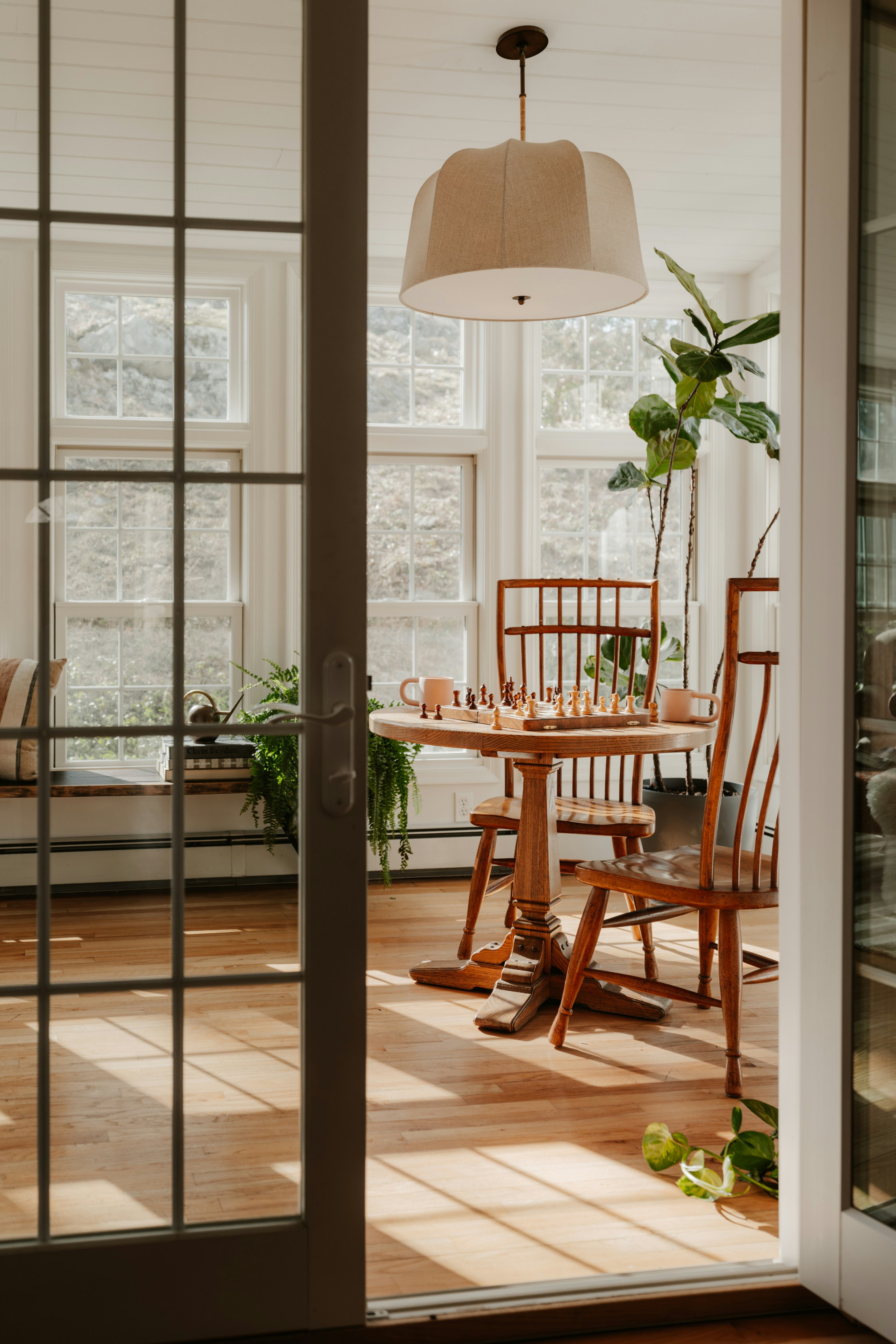
Beginning at Home
I often think the home is one of the best places to begin.
So much of life happens there, and the way a household is arranged affects everyone who lives within it.
A home needs practical order. Meals must be prepared, clothes washed, spaces maintained, and responsibilities shared. These tasks may seem unremarkable, but they make it possible for people to live together with greater peace and consideration.
The purpose of this work becomes clearer when we think about the people it serves.
We want our homes to be places where children are formed in good habits, where family members can rest, where conversation is possible, and where guests can be received with generosity. We want those who live within them to experience care, belonging, and a reasonable order that supports daily life.
The arrangement of the household should help make these things possible.
Sometimes this requires very practical changes. A family may need a more dependable evening routine. A particular room may need to be arranged so that it can be used more easily. Devices may need to be put away during meals. Household responsibilities may need to be shared more fairly.
There may also be habits that deserve greater attention: speaking kindly when we are tired, listening without interruption, making time for prayer, or remembering to express gratitude for the work others do.
These things may appear small, yet they influence the character of a home. And they remind us that living well requires attention to the ordinary circumstances in which our relationships are formed.
When Life Requires Something Different
There are times when the arrangements that once served us well no longer suit our circumstances.
A child grows older and needs something different from us. A parent becomes ill. Work changes. A new responsibility is undertaken. Financial circumstances require adjustments. We may discover that a commitment we accepted several years ago has become difficult to reconcile with our present duties.
At such times, we need to reconsider how we are living.
This can be difficult, especially when we have invested considerable effort in building a particular way of life. We may be reluctant to relinquish a commitment, change a familiar routine, or acknowledge that something we once hoped to accomplish must wait.
Yet prudence requires us to attend to the circumstances before us.
Sometimes we must persevere through a demanding season. Sometimes we need to ask for help. Sometimes we must learn a new skill, establish a boundary, or decline an opportunity that would have been suitable at another time.
And sometimes we need to examine why we find certain decisions so difficult.
We may discover that we have become attached to being needed, to achieving a particular measure of success, or to maintaining expectations that no longer serve our responsibilities well.
These are matters worth bringing into prayer.
The examination of conscience can help us recognize where our choices have been governed by fear, pride, comparison, or the desire for approval. It can also help us see where we have been faithful, where circumstances have genuinely limited us, and where a change may now be possible.
The spiritual life gives us the opportunity to consider these things in the presence of God, asking for the wisdom to recognize our duties and the grace to fulfill them.
Over time, this practice can bring greater clarity to the decisions through which our days are arranged.
Learning to Live Well
I think one of the difficulties of a busy life is that we can spend so much time attending to immediate responsibilities that we seldom have an opportunity to consider the life taking shape through them.
Yet the way we live is being formed every day.
It is formed in the decisions we make about work and family, the habits we establish at home, the attention we give to prayer, the way we use our money, and the care with which we fulfill the duties entrusted to us.
There will always be more things we could do. There will be opportunities worth considering, people who need our help, and responsibilities that require us to make sacrifices. We cannot arrange our lives so that every good thing receives equal attention.
We must learn to choose.
And those choices become easier to make when we have considered what matters most and what our particular circumstances require of us.
For the Christian, this means learning to live the whole of life with God. We bring our work, our families, our plans, and our difficulties into our relationship with Him. We seek His guidance in our decisions and ask for the grace to carry out our duties faithfully.
This does not make ordinary life less demanding. There will still be tired evenings, unfinished work, difficult conversations, and plans that must be changed. There will be times when we fall short of the patience or generosity we hope to practice.
But we can return to what matters, make the adjustments that are possible, and begin again.
I hope to explore these questions more fully in the essays that follow: how we form our habits, order our homes, approach our work, cultivate attention, and make room for the interior life amid the responsibilities of an ordinary day.
For the art of living well is learned through the life we have been given, among the people who depend upon us and the duties that await our attention.
Perhaps the question worth carrying into our days is a simple one.
When we look at all the things that fill our time, can we recognize the people, responsibilities, and purposes for which we have chosen to give it?
And if something important has been crowded out, what might we begin to do differently?
These are questions I want to keep returning to, because the years pass through ordinary days, and it is in the way we live those days that the shape of a life is gradually formed.