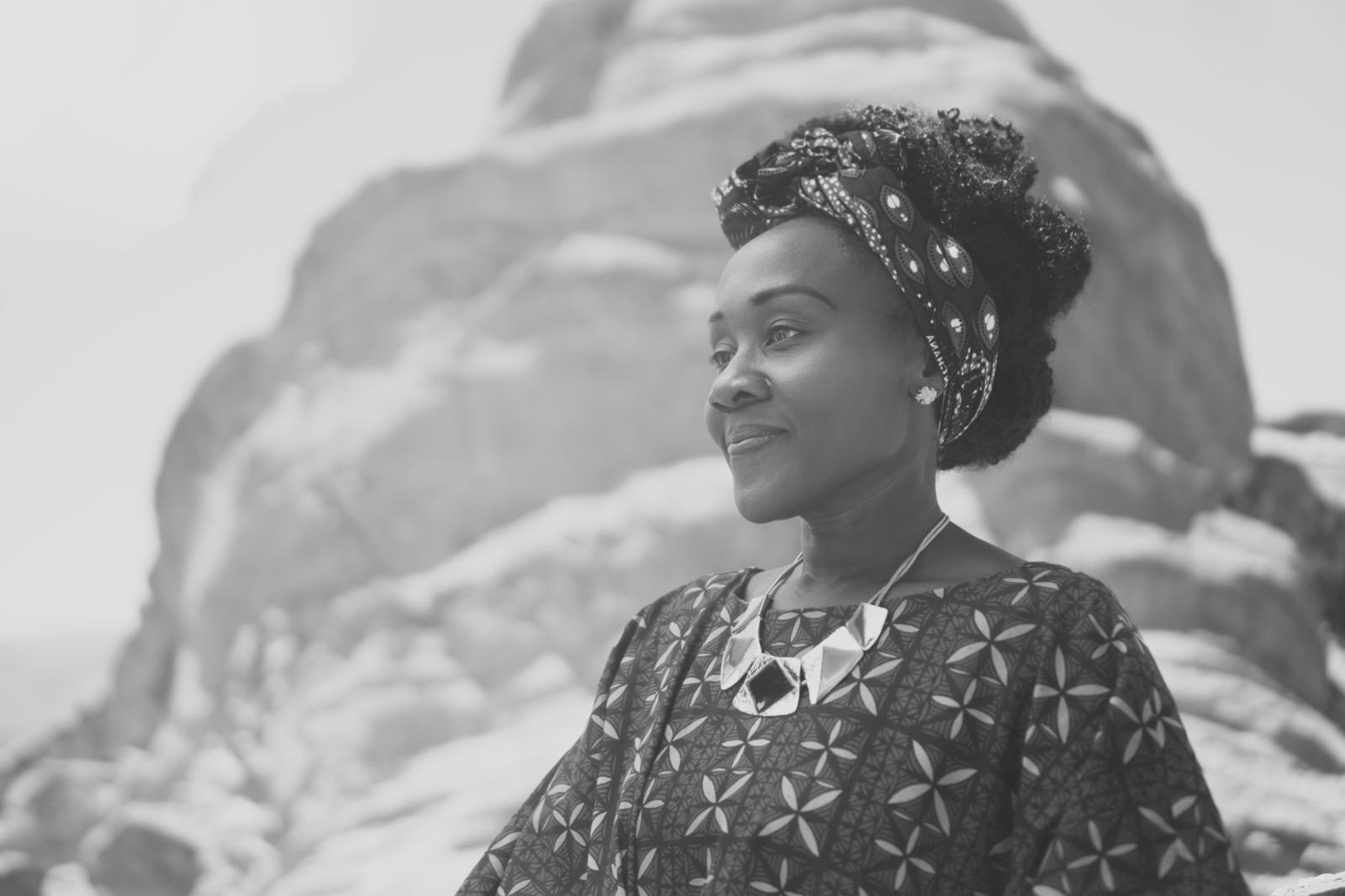
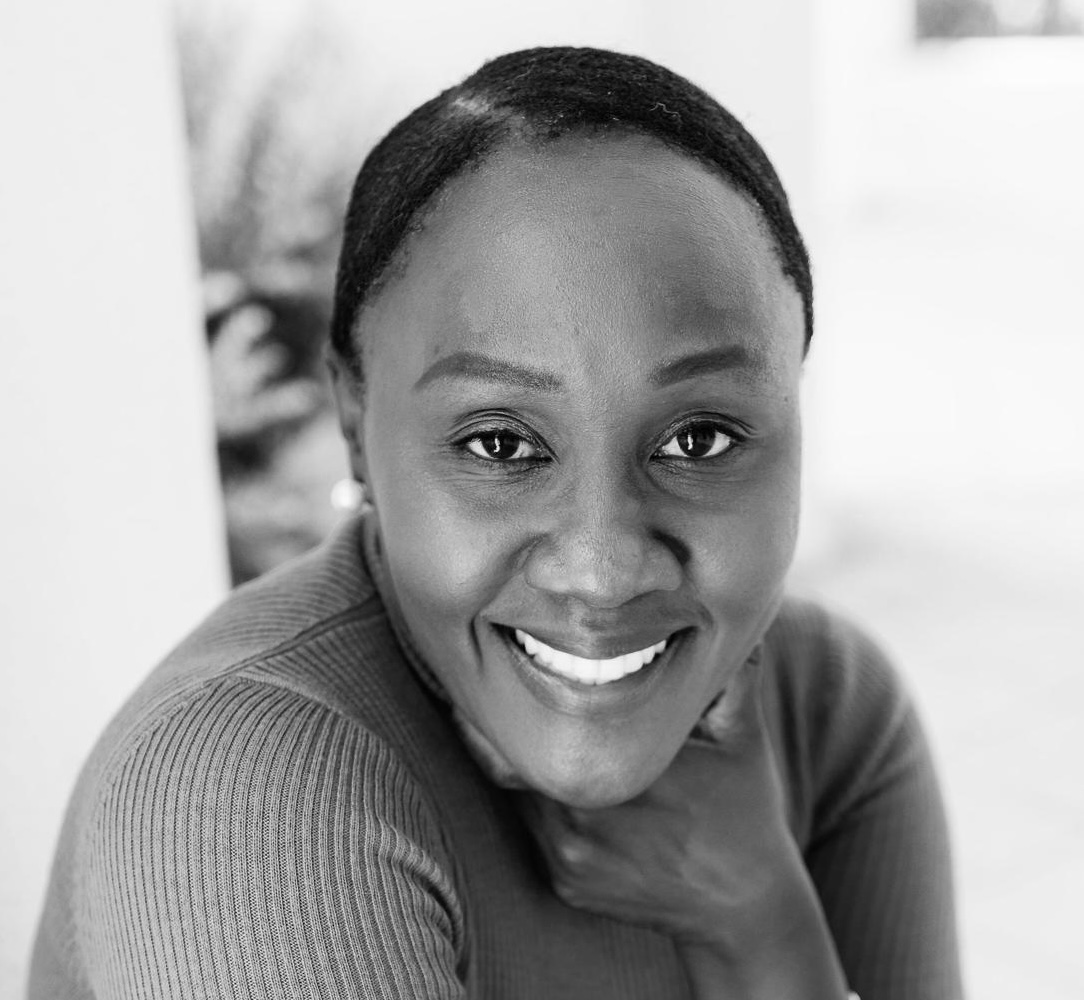
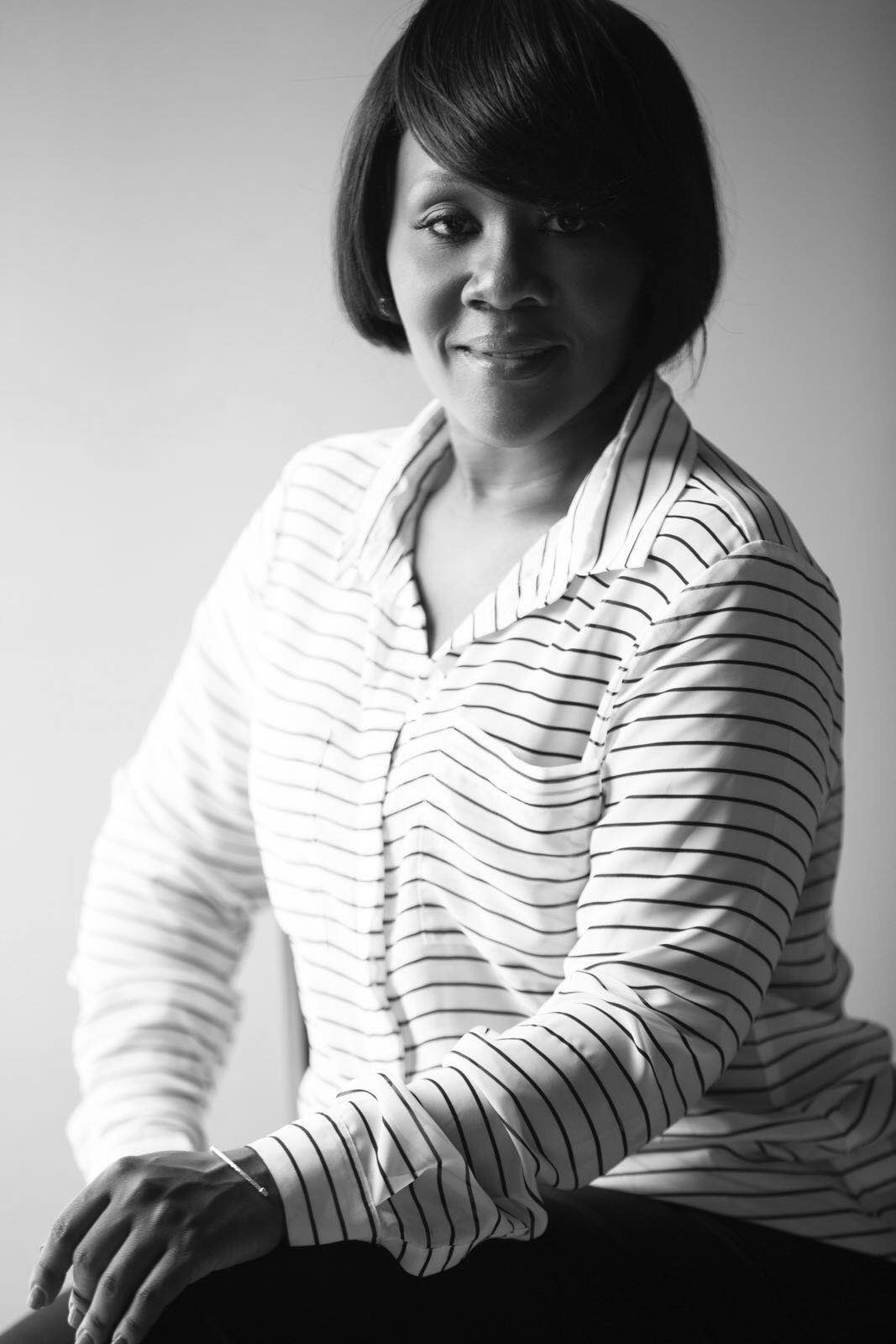
Hello. I'm Monica — a nurse, writer, and founder. Those are simply the ways I spend my time. What has shaped me most is a lifelong fascination with one question: what helps a human being truly flourish?
MONICA ANYANGO
STORYTELLER · BUILDER · FOUNDER
.jpeg)
Growing up in Uganda taught me that a life can be materially simple and yet profoundly rich. There was hardship. Uncertainty. Loss. There were also shared meals, neighbours who knew one another, prayer woven into the week. Life wasn't easy, but much of it held together.Years later, working as an emergency room nurse in the United States, I encountered another reality. Lives under real pressure, systems stretched thin, and people carrying more than they could hold — often successful, connected, accomplished, and still fragmented.I have spent years since then trying to understand what I saw in both places.
For years I studied — Scripture, the Catholic intellectual tradition, classical philosophy, literature, the stories of patients. I kept returning to one conviction: the deepest problems of modern life are not problems of information but of formation. We know much. We struggle to become.
For years I have been asking what makes a life not merely successful, not merely productive — but beautiful. The answer, I have come to believe, is found less in extraordinary moments than in the quiet architecture of ordinary days. That conviction has become the foundation of everything I write, teach, and build.


I believe every person is created for communion with God and with others. I believe identity is received before it is achieved. I believe attention quietly shapes love. I believe virtue grows through faithful practice. I believe beauty helps us recognize truth. I believe holiness is most often formed in unremarkable places. And I believe the work of becoming is one of the greatest adventures a person can undertake.
I am still early in this journey. But I am convinced these questions are worth a lifetime of exploring — and that, over time, this work can contribute to healthier families, stronger organizations, and communities where people flourish.
Why I write: I don't write because I have finished the journey. I write because I am walking it too. If these essays and conversations encourage you to pay closer attention to your own life, they have done their work.
A thoughtful letter for the week ahead.
Through attention, responsibility, beauty, and the ordinary decisions of everyday life.
I'm Monica — a storyteller, builder, and mother.
Much of my work is shaped by the world I grew up in: a life rooted in community, faith, responsibility, beauty, and the natural rhythms of everyday living.
I grew up in Uganda during a time of instability and conflict. There was uncertainty around us. And yet, within ordinary life, there was also peace, joy, belonging, and deep human connection.
People woke with the morning light. Food came from the ground. Neighbours knew one another. Families gathered without scheduling it. There was hardship. But there was also coherence.
Modern culture has brought extraordinary tools and conveniences. It has also made it harder to remain grounded, attentive, and connected to what matters. Many people sense the gap — between how they want to live and how they actually do.
Working in emergency medicine deepened these questions for me in ways I did not expect.
The ER is where things that have been building for a long time finally arrive somewhere that has to respond. Medical need is real and urgent — and alongside it, you see something else with equal consistency: exhaustion that has nowhere left to go, isolation that has become acute, people carrying weight that has been accumulating for years across their relationships, their work, their interior lives.
You also see how deeply human beings long for care, dignity, calm, and connection. How much of what arrives there is held together by very little.
That observation stayed with me. Not as a conclusion about the culture, but as a question: what are the conditions that help people remain well over time? What forms a life that can hold?
Those questions are what this work is built around.
My faith gave me a framework for understanding what I was seeing.
The Catholic tradition has thought carefully about the human person for two thousand years. It has always understood that human beings need more than material sufficiency to flourish. We need meaning, beauty, rest, community, silence, and a sense of being ordered toward something larger than ourselves. These are not luxuries. They are conditions of a genuinely human life.That observation stayed with me. Not as a conclusion about the culture, but as a question: what are the conditions that help people remain well over time? What forms a life that can hold?
What the tradition calls the common good — the conditions in which individuals and communities can flourish together — has always included the rhythms and relationships that modern life tends to dissolve. The domestic church. The sabbath. The meal shared. The work done with craft and intention. The life lived within limits that make depth possible.
When I look at what I witnessed in clinical work, and then look at what the tradition has always known about the human person, I find the same thing described from two directions. The tradition names what we need. The clinical reality shows what happens when those things are absent.
My work is an attempt to make those conditions more available — through tools, stories, systems, and spaces that help people live with greater clarity, attention, and purpose. A practical expression of what the tradition has always understood, in the conditions of ordinary modern life.
We are shaped by what we repeatedly give our attention to.
The question is not whether we are being formed — but by what.
I built Alignment OS because I needed it first. Something changed — and after it, I felt the call to steward what I had been given. A planner first. Then a platform. Then this.

MONICA ANYANGO
STORYTELLER · BUILDER · FOUNDER
I'm Monica — a storyteller, builder, and mother.
Much of my work is shaped by the world I grew up in: a life rooted in community, faith, responsibility, beauty, and the natural rhythms of everyday living.
I grew up in Uganda during a time of instability and conflict. There was uncertainty around us. And yet, within ordinary life, there was also peace, joy, belonging, and deep human connection.
People woke with the morning light. Food came from the ground. Neighbours knew one another. Families gathered without scheduling it. There was hardship. But there was also coherence.
Modern culture has brought extraordinary tools and conveniences. It has also made it harder to remain grounded, attentive, and connected to what matters. Many people sense the gap — between how they want to live and how they actually do.
Working in emergency medicine deepened these questions for me in ways I did not expect.
The ER is where things that have been building for a long time finally arrive somewhere that has to respond. Medical need is real and urgent — and alongside it, you see something else with equal consistency: exhaustion that has nowhere left to go, isolation that has become acute, people carrying weight that has been accumulating for years across their relationships, their work, their interior lives.
You also see how deeply human beings long for care, dignity, calm, and connection. How much of what arrives there is held together by very little.
That observation stayed with me. Not as a conclusion about the culture, but as a question: what are the conditions that help people remain well over time? What forms a life that can hold?
Those questions are what this work is built around.
My faith gave me a framework for understanding what I was seeing.
The Catholic tradition has thought carefully about the human person for two thousand years. It has always understood that human beings need more than material sufficiency to flourish. We need meaning, beauty, rest, community, silence, and a sense of being ordered toward something larger than ourselves. These are not luxuries. They are conditions of a genuinely human life.That observation stayed with me. Not as a conclusion about the culture, but as a question: what are the conditions that help people remain well over time? What forms a life that can hold?
What the tradition calls the common good — the conditions in which individuals and communities can flourish together — has always included the rhythms and relationships that modern life tends to dissolve. The domestic church. The sabbath. The meal shared. The work done with craft and intention. The life lived within limits that make depth possible.
When I look at what I witnessed in clinical work, and then look at what the tradition has always known about the human person, I find the same thing described from two directions. The tradition names what we need. The clinical reality shows what happens when those things are absent.
My work is an attempt to make those conditions more available — through tools, stories, systems, and spaces that help people live with greater clarity, attention, and purpose. A practical expression of what the tradition has always understood, in the conditions of ordinary modern life.
We are shaped by what we repeatedly give our attention to.
The question is not whether we are being formed — but by what.
I built Alignment OS because I needed it first. Something changed — and after it, I felt the call to steward what I had been given. A planner first. Then a platform. Then this.
We think deeply before we build. Every platform, essay, and tool begins with a question worth asking.
We choose what matters and let go of the rest. Clarity about what to build is inseparable from clarity about what not to.
We design for character, not convenience. The work is successful if it forms the person, not merely serves them.
We honour the person in every decision. The tools, the systems, the stories — all of it is in service of a more human life.